


Industrial
What to Look for in a Metal Builder Before You Start Your Steel Building Project


Nov 2026


Key Takeaways
- A metal builder controls the full delivery chain from structural engineering through to site erection, not just component supply or fabrication alone.
- Steel portal frames achieve column-free spans of 20 to 60 metres or more, making them the standard structural system for factories, warehouses, logistics hubs, and long-span roof facilities.
- Computer-designed tapered section beams achieve material savings of up to 40% compared to conventional hot-rolled sections (Sanki Kigyo Group of Companies, Company Profile).
- Structural steel is 100% recyclable at end of building life and supports GBI, LEED, and EDGE green building certification requirements as well as ESG reporting obligations.
- Before awarding any contract, confirm CIDB registration grade and category, in-house structural design capability, and whether fabrication and erection are offered under one integrated scope.
In This Guide
- What Is Metal Building Construction?
- Where Metal Steel Buildings Perform Best
- Proven Delivery: KLIA and Proton City
- Why Choose a Metal Builder
- Sustainability: Why Steel Buildings Are the Greener Choice
- What Does Metal Building Construction Cost in Malaysia?
- How to Choose the Right Metal Building Contractor in Malaysia
- Frequently Asked Questions
- Plan Your Metal Building Project with SANKI-Kigyo
A metal builder is a specialist contractor who designs, fabricates, and erects structural steel buildings, controlling the full delivery chain from structural engineering through to site erection. Malaysia's steel consumption reached 7.9 million metric tonnes in 2023, a 4.5% increase for the third consecutive year (MIDA, 2024), with construction and infrastructure cited among the key demand drivers. This guide covers what metal building construction involves, where it performs best, and how to choose the right contractor for your project.
What Is Metal Building Construction?
Metal building construction uses a structural steel frame fabricated off-site and bolted together on location. The most common configuration in Malaysia is the portal frame: rafters and columns that carry roof and wall loads across column-free spans of 20 to 60 metres or more. Two approaches exist: pre-engineered systems using standard frame configurations for straightforward spans, and custom-fabricated systems designed from first principles for complex or specialist facilities.
Both differ fundamentally from reinforced concrete. Steel frames are lighter, which reduces foundation loads and cost. They achieve wider clear spans without intermediate columns, and because fabrication happens off-site in parallel with groundworks, construction programmes are meaningfully shorter.
Types of Metal Steel Buildings and Their Applications
Steel building systems are not a one-size-fits-all solution, but they have a clear structural and commercial advantage in several building types that are common in Malaysia.
- Factories and warehouses are the natural home of the portal frame. Spans of 25 to 50 metres create column-free interiors with full flexibility for rack storage, assembly lines, and crane rails. Mezzanine floors and additional bays can be added as operations grow, without structural redevelopment.
- Logistics hubs and distribution centres require clear internal heights of 10 to 14 metres to accommodate automated racking and the reach heights of counterbalanced forklifts. Portal frames deliver these requirements without the formwork and curing delays that concrete construction involves.
- Sports complexes and aircraft hangars demand long-span roof structures of 60 to 100 metres or more with no mid-span columns obstructing sightlines or aircraft clearance. Steel trusses and portal frames are the standard structural solution for these facilities in Malaysia and globally.
- Multi-storey commercial buildings use composite steel frames with concrete floor slabs. The advantage here is fast floor-by-floor erection and reconfigurable floor plates, making steel a practical choice for office buildings and multi-level commercial developments.
Landmark Projects: What Proven Metal Building Delivery Looks Like
Track record matters in metal building construction. It confirms whether a contractor can manage the full delivery chain at the scale and complexity a project requires, not just complete simple structures under favourable conditions.
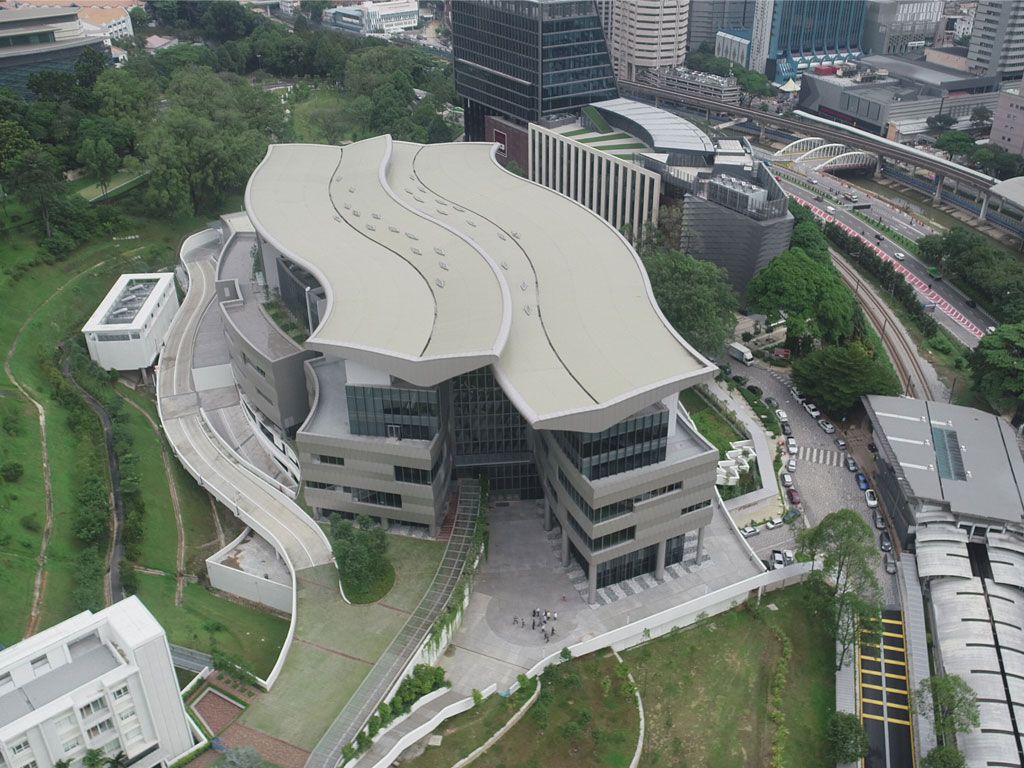
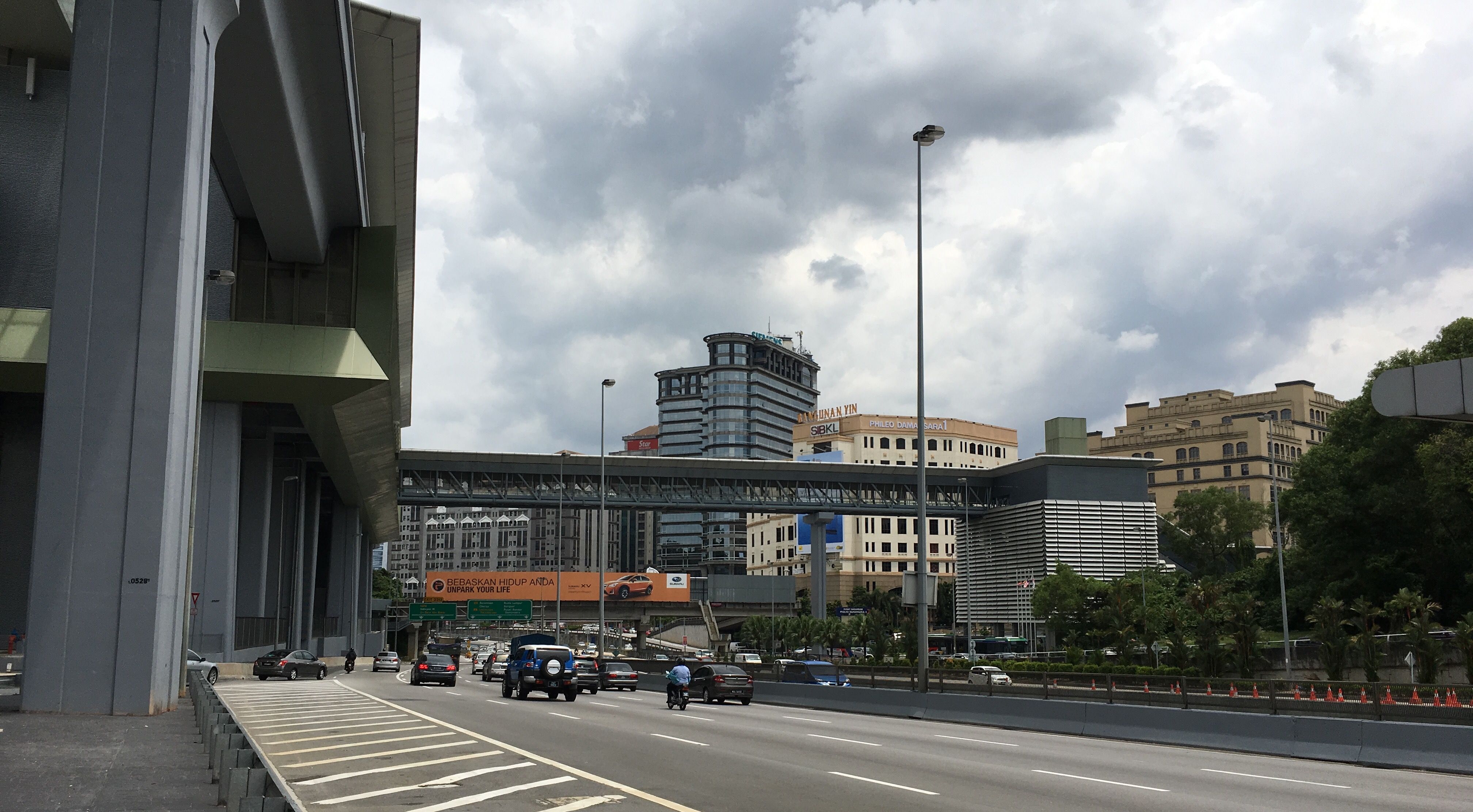
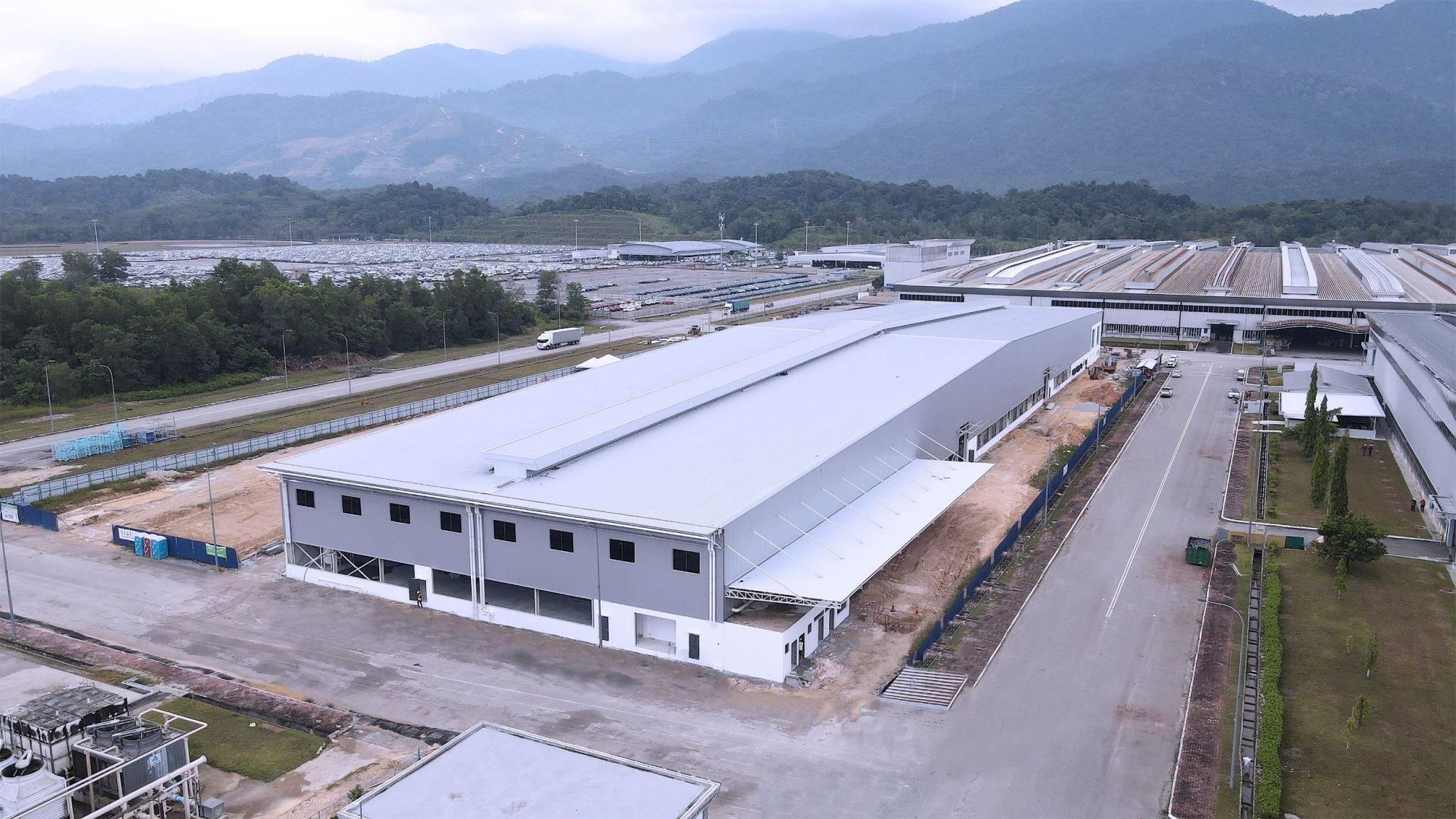
SANKI-Kigyo's Metal Builders division supplied and erected steel portal frames at Kuala Lumpur International Airport (KLIA), working under main contractor Taisei Corporation of Japan. The scope covered supply of material, labour, and machineries, including loading, unloading, and transportation (Sanki Kigyo Group of Companies, Company Profile). The division also supplied and erected steel portal frames for Proton City in Tanjung Malim, Perak, Proton's primary automotive manufacturing hub, demonstrating capability in high-load industrial construction alongside the aviation work at KLIA.
For any buyer evaluating a contractor, completed projects at this scale and complexity are more informative than a contractor's service description. They confirm fabrication precision, site coordination, and the ability to meet exacting standards under an international main contractor.
Advantages of Choosing a Metal Builder for Your Construction Project
- Cost efficiency. Computer design software produces tapered section beams that use material only where the structure demands it, reducing steel tonnage without compromising load capacity. Savings of up to 40% can be realised compared to conventional hot-rolled sections (Sanki Kigyo Group of Companies, Company Profile). Independent analysis by AECOM (Q4 2023) found steel portal frames delivered up to 7.5% lower total building cost than concrete for distribution and logistics facilities.
- Faster programme. Steel fabrication runs in parallel with site groundworks, so erection can begin as soon as the slab is ready. A concrete-framed building cannot start structural erection until foundations have cured. For project owners with a tight delivery schedule, this sequencing advantage translates directly into an earlier handover date.
- Lower embodied carbon. AECOM's Q4 2023 analysis documented 14% lower embodied carbon for steel portal frame buildings versus concrete equivalents, based on UK distribution warehouse projects (AECOM, Q4 2023). Treat this as directional for Malaysia rather than a precise local estimate.
- Adaptability. Steel frames can be extended with additional bays, fitted with crane rails, and modified for mezzanine floors more readily than concrete alternatives. For industrial clients who anticipate changes in production capacity or floor layout, this flexibility has real long-term value.
Sustainability: Why Steel Buildings Are the Greener Choice
Structural steel is 100% recyclable at end of building life, with no loss of mechanical properties. Steel recovered from a demolished structure can be remelted and re-rolled to the same specification as new material, which no concrete alternative can match.
The lighter self-weight of a steel frame reduces foundation volume versus a concrete-framed equivalent, cutting the concrete and aggregate required at ground level. Off-site fabrication also reduces material waste and wet-trade activity on-site compared to poured concrete construction.
For project owners subject to GBI, LEED, or EDGE green building certification requirements, or ESG reporting obligations, these properties translate directly to scheme credits and reportable metrics, not just general sustainability credentials.
What Does Metal Building Construction Cost in Malaysia?
The main cost drivers for a metal building in Malaysia are span width, building height, design complexity, cladding specification, and foundation requirements. Span and height determine primary structural tonnage. Cladding specification, from standard corrugated roof sheet through to insulated composite panels, varies significantly in both cost and thermal performance.
Computer-designed portal frame systems reduce overall cost by optimising the structural cross-section along each member, concentrating material where bending moment is highest and reducing it where load is lower. This is how tapered section designs achieve material savings versus constant-section hot-rolled profiles.
To receive a reliable budget figure, provide a floor plan, span and height requirements, intended building use, and cladding specification before requesting a quotation. A defined scope produces comparable figures; an undefined one produces ranges that change after contract award.
How to Choose the Right Metal Building Contractor in Malaysia
A contractor selected on price alone creates quality, programme, and liability risks that typically cost more to resolve than the initial saving. These five criteria help you evaluate any metal building contractor before awarding a contract.
- CIDB registration. Verify the contractor's CIDB registration covers the scope of works tendered and request a current copy of the certificate. Do not award a contract to an unregistered contractor.
- In-house design capability. A contractor who outsources structural design creates a coordination dependency that slows responses to scope changes during fabrication. In-house capability backed by specialised portal frame software allows the contractor to optimise the structure before a single piece of steel is cut.
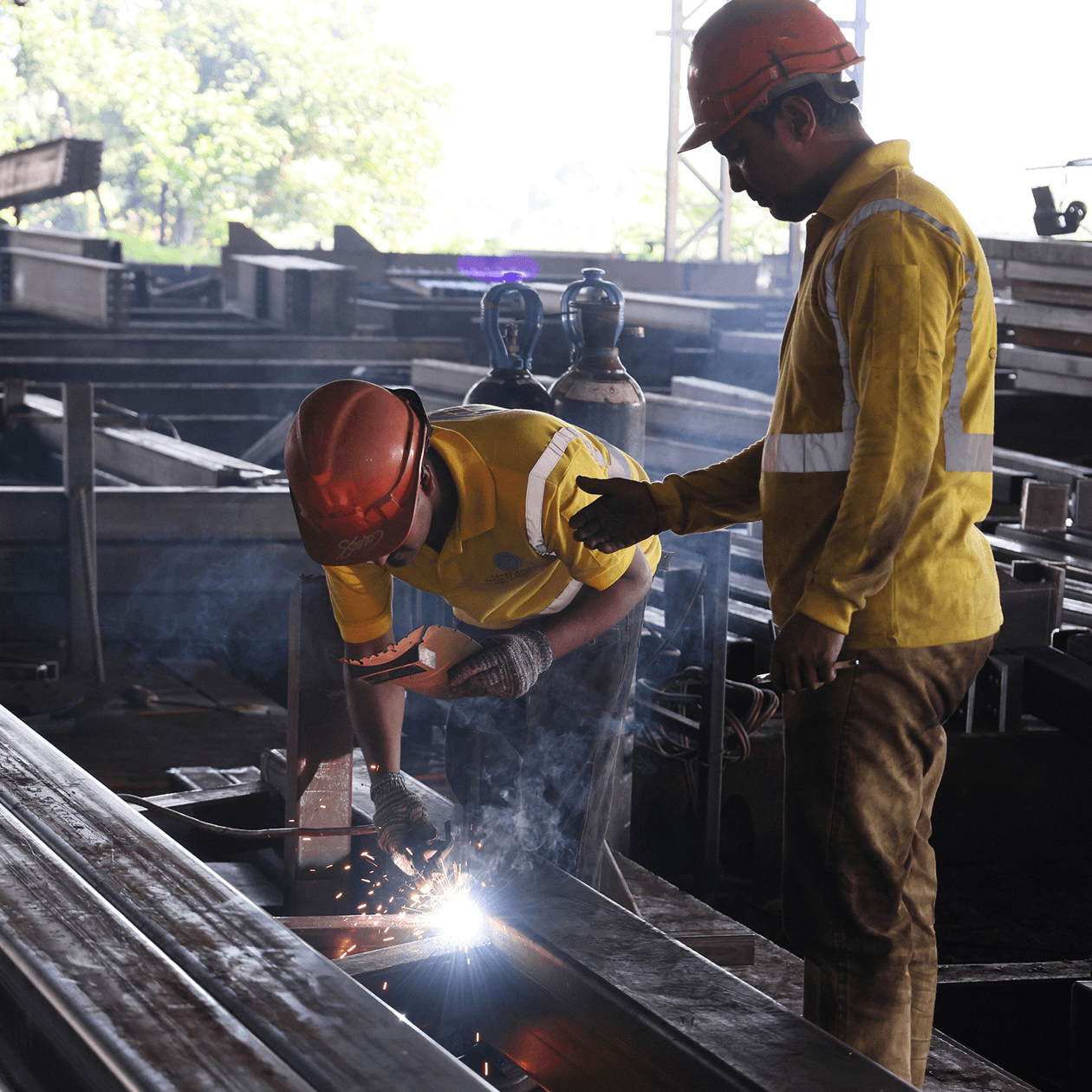
- Integrated fabrication and erection. When fabrication and erection are split between separate organisations, accountability for dimensional errors and programme slippage becomes unclear. SANKI-Kigyo operates a 10,604 m² factory in Batu Arang, Selangor, with 10,000 tonnes annual capacity, handling both functions under one roof (Sanki Kigyo Group of Companies, Company Profile).
- Quality certifications. ISO 9001 certification confirms a documented quality management system with defined processes for design, fabrication, and inspection. UKAS certification confirms that measurement and inspection equipment meets defined accuracy standards. SANKI-Kigyo Sdn. Bhd. holds both (
- Safety record. Ask for the contractor's incident frequency rate (IFR) or total recordable incident rate (TRIR) for the past three years. A contractor who cannot provide quantified safety performance data does not have a mature safety management system.
Plan Your Metal Building Project with SANKI-Kigyo
Planning a metal building project? SANKI-Kigyo's Metal Builders division has supplied and erected steel portal frames for major Malaysian developments including Kuala Lumpur International Airport (KLIA) and Proton City in Tanjung Malim.
With over 50 years of fabrication experience, ISO 9001 and UKAS certification, and a 10,000-tonne annual production capacity, we have the resources to deliver your project on time and to specification. Contact us today to discuss your metal building construction requirements and receive a detailed quotation.
FAQs About Metal Builder in Malaysia

What is the difference between a metal builder and a general contractor?
A metal builder is a specialist contractor who handles the full structural steel delivery chain: structural design, off-site fabrication of steel frames and components, and site erection. A general contractor manages the overall construction programme and coordinates multiple trade packages, of which the structural steel package may be one.
A metal builder typically works as a specialist subcontractor under a main contractor, or directly with a project owner on design-and-build steel structures. The key distinction is technical depth: a metal builder brings in-house engineering capability and fabrication capacity that a general contractor does not.
Is metal building construction cheaper than concrete in Malaysia?
For single-storey industrial and warehouse buildings, steel portal frame construction is generally more cost-competitive than reinforced concrete because it requires less on-site labour and formwork and can be erected faster.
How long does it take to build a metal steel building?
Construction time depends on the building's size, span, and design complexity. For a straightforward industrial warehouse of 2,000 to 5,000 m², steel fabrication typically takes four to eight weeks from approved shop drawings, with erection adding two to four weeks on-site. Larger or more complex structures require longer programmes.
The key time advantage over concrete is that fabrication runs in parallel with site groundworks, so the total construction period is shorter even when the erection phase itself takes the same number of weeks. Confirm the fabrication and erection programme with your contractor at tender stage.
Do metal buildings require special permits in Malaysia?
Metal buildings are subject to the same approval processes as any permanent structure: plan approval from the relevant local authority (Pihak Berkuasa Tempatan), Bomba clearance for fire safety, and structural plans endorsed by a Registered Engineer under the Uniform Building By-Laws 1984 (UBBL). No separate permit category exists for metal buildings.