


Industrial
What Is Metal Fabrication in Malaysia and How Do You Choose the Right Fabricator?


Nov 2026


Key Takeaways
- Metal fabrication is a made-to-specification process covering cutting, bending, welding, and assembly, distinct from mass production where identical parts are made in high volume.
- QC checkpoints embedded at each production stage are far more effective than a single final inspection applied after errors have compounded through multiple fabrication stages.
- ISO 9001 and UKAS certification confirm a documented quality management system and independently calibrated instruments; both are baseline requirements for structural and industrial work.
- The largest cost drivers are material grade and type, design complexity, surface treatment specification, and order volume.
- Provide a Bill of Quantities, structural drawings, and full project specification at enquiry stage to receive comparable quotations rather than estimates that change after contract award.
In This Guide
- What Is Metal Fabrication?
- Key Metal Fabrication Processes Used in Malaysia
- Quality Control and Certification in Metal Fabrication
- Types of Metal Fabrication Services Available in Malaysia
- How to Choose a Metal Fabrication Company in Malaysia
- What Affects Metal Fabrication Cost in Malaysia?
- Get a Quote from SANKI-Kigyo
- Frequently Asked Questions
Metal fabrication is the process of cutting, bending, welding, and assembling metal components or structures to a client's specification. It is the core discipline behind Malaysia's construction, industrial, and infrastructure sectors, spanning structural steel frames, industrial platforms, architectural metalwork, and pipework supports.
Malaysia's basic metals industry contributed 2.5% of national GDP in 2023, employed 112,157 people, and generated iron and steel exports of RM30.4 billion, up 14.5% year-on-year (MIDA, 2024). This guide is for engineers, project managers, and procurement leads evaluating metal fabrication suppliers in Malaysia.
What Is Metal Fabrication?
Metal fabrication is a made-to-specification process, distinct from mass production where identical parts are made to a standard design in high volume. Each project begins with an approved design, and components are produced to meet specific structural, dimensional, and surface treatment requirements.
Materials commonly fabricated in Malaysia include structural steel, mild steel, stainless steel, and aluminium. Applications range from structural frames and mezzanine platforms to industrial equipment supports and custom architectural metalwork.
Key Metal Fabrication Processes Used in Malaysia
Shop drawing and design detailing are the critical first step. Every component begins with an approved drawing that defines tolerances, weld specifications, and assembly sequence, and this stage sets the precision standard for everything that follows.
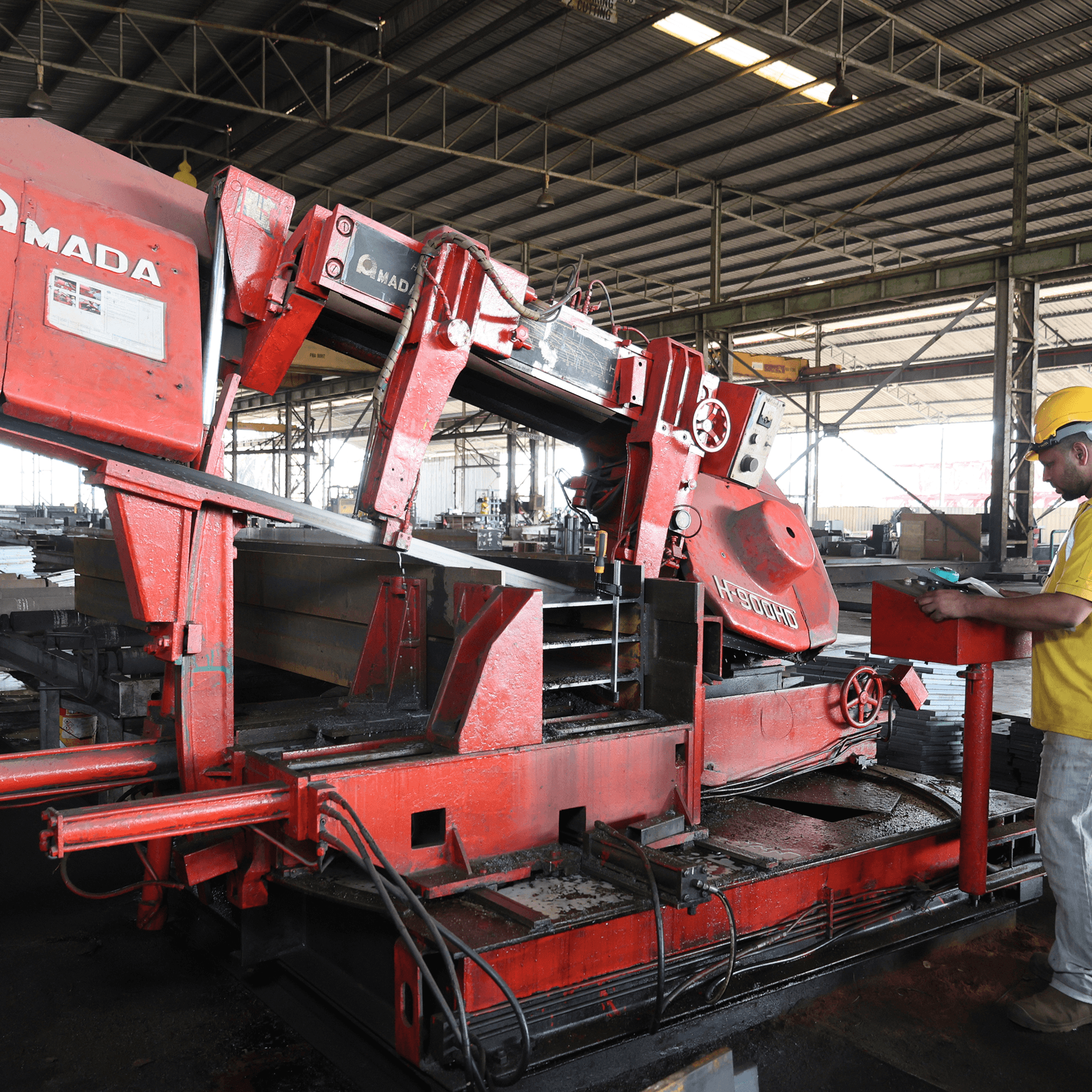
Cutting uses CNC plasma cutting and oxy plate profile cutting for precise plate and profile work. Welding is carried out using a combination of processes selected according to member type, joint configuration, fabrication requirements, accessibility, and production efficiency. The majority of welding work is carried out using Flux-Cored Arc Welding (FCAW), used where appropriate, and manual techniques such as MIG, TIG, and electrode welding used for complex geometries and site-based connections. Bending and forming processes produce curved or angled sections where standard straight profiles are insufficient. Surface preparation via shot blasting, and painting with a corrosion protection system required for the project environment.
Quality Control and Certification in Metal Fabrication
A credible metal fabrication company operates QC checkpoints at each production stage. Material is verified against mill certificates on receipt. Dimensional checks follow cutting and assembly. Weld inspection takes place once welding is complete. Coating thickness is verified before despatch. QC applied only at final despatch, after errors have compounded through multiple production stages, is far less effective.
ISO 9001 certification confirms a documented quality management system governing the full fabrication sequence from material procurement through to finished component despatch. UKAS accreditation confirms independent third-party evaluation of product testing and instrument calibration, assuring that measurements are accurate and traceable. SANKI-Kigyo Sdn. Bhd. holds both certifications and operates CNC Profile Cutting Machines, Beam Assembly Machines, and Automatic Submerged Arc Welding Machines across its production line (Sanki Kigyo Group of Companies, Company Profile).
Types of Metal Fabrication Services Available in Malaysia
Metal fabrication services in Malaysia cover three main categories, each serving different buyer types and project requirements.

Custom Metal Fabrication
Custom metal fabrication is a made-to-specification service for projects requiring unique structural components, industrial equipment frames, or architectural metalwork that cannot be sourced from standard stock profiles. The process runs from client brief and shop drawing approval through material procurement, fabrication, and quality inspection to delivery. To receive an accurate quotation, provide detailed drawings, material specifications, and required tolerances at enquiry stage rather than after a supplier has been shortlisted.
Industrial Steel Metal Fabrication
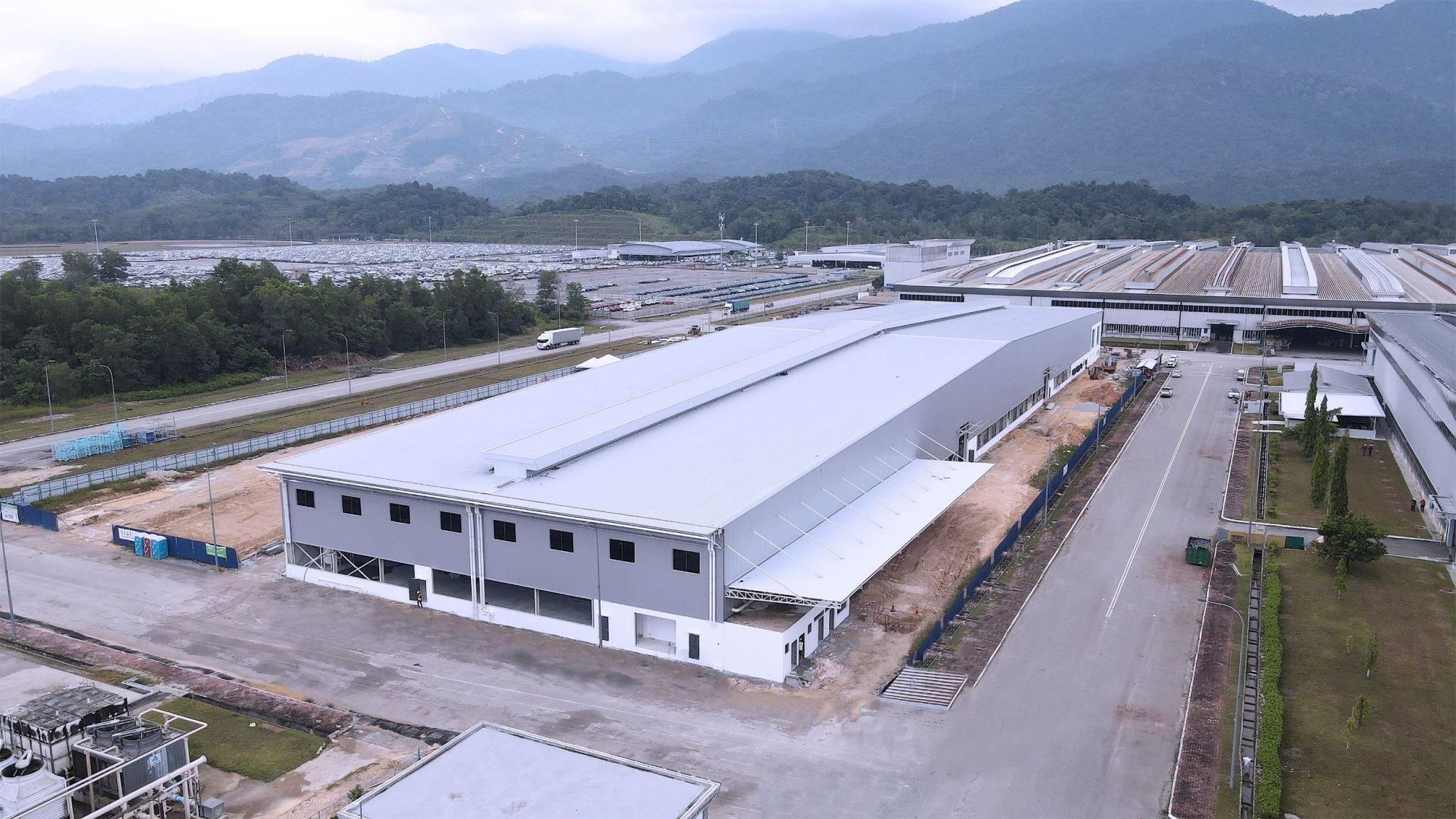
Industrial metal fabrication covers large-volume structural work for factories, power plants, oil and gas facilities, and major infrastructure projects. These projects require high annual production capacity, a certified workforce, and advanced production equipment as non-negotiable baseline requirements. SANKI-Kigyo Group operates an annual production capacity of 10,000 tonnes from its fabrication facility in Batu Arang, Selangor (Sanki Kigyo Group of Companies, Company Profile). Industrial contracts of this scale typically include on-site erection as part of the package, and CIDB registration is a legal requirement for the site erection scope.
Metal Structure Fabrication for Construction
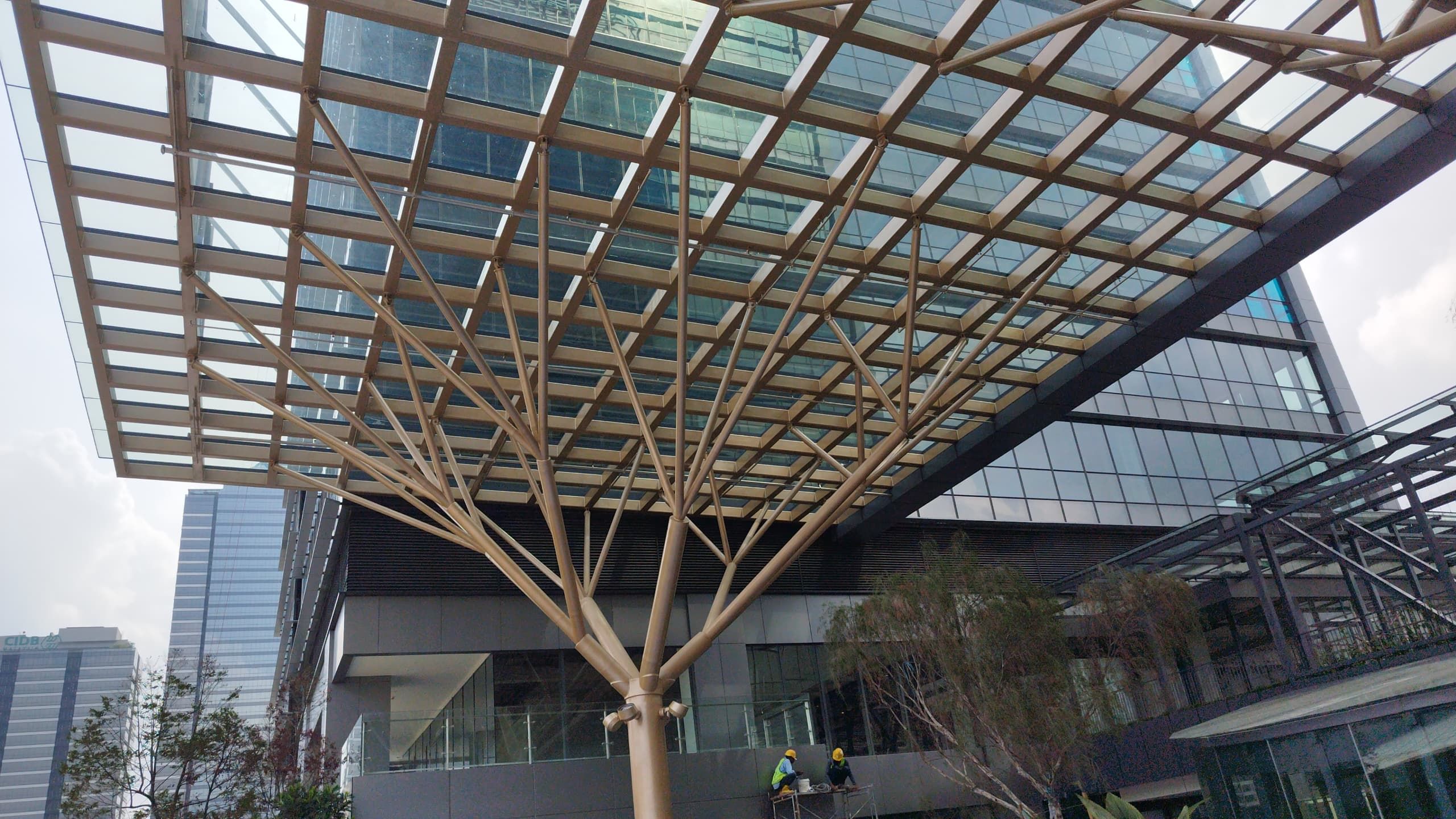
Structural metal fabrication for construction covers steel frames, beams, columns, and portal frames for commercial, industrial, and civil projects. This category requires structural engineering input, shop drawing sign-off by a registered Professional Engineer, and site erection as part of the contracted scope. A metal fabrication company that handles design, fabrication, transport, and erection as an integrated scope reduces the coordination risk and liability gaps that arise when these stages are split across multiple vendors.
How to Choose a Metal Fabrication Company in Malaysia
When comparing metal fabrication companies in Malaysia, apply these criteria before awarding a contract.
- ISO 9001 and UKAS certification. ISO 9001 confirms a documented quality management system. UKAS accreditation confirms independent calibration and product evaluation rather than self-declared quality. Ask for current certificates for both.
- CIDB registration. Required under the Construction Industry Development Board Act 1994 for contractors carrying out site erection in Malaysia. Verify the grade and category cover the scope of works tendered.
- Annual production capacity. A fabricator at full order book creates a schedule risk from the moment of award. Ask for current forward load against available capacity before signing.
- In-house erection capability. Subcontracting erection introduces coordination gaps and unclear accountability for dimensional errors on-site. Confirm whether erection is performed by the contractor's own crew.
- Project track record. Request references for comparable projects by sector and tonnage, with contact details for the main contractor or end client.
What Affects Metal Fabrication Cost in Malaysia?
Metal fabrication cost in Malaysia depends on variables that must be clearly defined before quotes from different suppliers can be compared accurately.
- Design complexity increases fabrication time. Components with complex weld geometries, tight tolerances, or non-standard section sizes require more production time than repetitive standard sections.
- Surface treatment specification adds cost proportionally. A single-coat primer is the lowest-cost option; multi-coat paint systems or hot-dip galvanising cost more but deliver longer service life in corrosive environments.
- Order volume reduces unit cost. Larger fabrication runs spread setup costs across more components, lowering cost per tonne.
To receive an accurate and comparable quotation, provide a Bill of Quantities (BOQ), structural drawings, and full project specification upfront. Fabricators quoting on a defined scope produce reliable figures. Fabricators quoting on assumptions produce numbers that change.
Get a Quote from SANKI-Kigyo
Need a reliable metal fabrication company in Malaysia? SANKI-Kigyo offers custom and industrial metal fabrication backed by 50 years of experience, ISO 9001 certification, UKAS accreditation, and an annual production capacity of 10,000 tonnes. Contact us to discuss your project requirements and receive a detailed quotation.
FAQs About Metal Fabrication in Malaysia
What certifications should a metal fabrication company in Malaysia have?
For structural and industrial work, the most relevant certifications are ISO 9001 (quality management system), UKAS accreditation (independent product testing and calibration), and CIDB registration with a grade and category appropriate to the scope. ISO 9001 confirms process consistency.
UKAS confirms that inspection instruments are independently calibrated. CIDB registration is a legal requirement for site erection work under the Construction Industry Development Board Act 1994. For specialised scopes such as pressure vessel or oil and gas fabrication, additional third-party inspection requirements may apply.
Does metal fabrication include installation and erection?
It depends on the contract scope. Some metal fabrication companies supply components only, with installation handled by a separate erection contractor. Others offer an integrated service that includes fabrication, transport, and site erection under one contract.
For structural projects, an integrated scope reduces coordination risk and establishes clear accountability for dimensional tolerances, programme delivery, and defect liability. Confirm the scope explicitly before signing any fabrication contract.
How long does custom metal fabrication take in Malaysia?
Lead time depends on component complexity, the tonnage involved, and the fabricator's current production load. A small run of custom components from approved shop drawings typically takes two to four weeks. A large industrial steel structure or complex custom fabrication package can require eight to 16 weeks from approved drawings.
Confirm the fabrication programme with your supplier at tender stage and allow contingency for material procurement lead times, which vary with steel market conditions.